Why AI-Powered Advertising Is Scaling Faster Than Ever

The pace at which advertising technology is evolving has accelerated dramatically in recent years. What once relied on manual optimization, historical assumptions, and fragmented insights is now driven by intelligent systems capable of learning and adapting in real time. At the center of this transformation is AI-powered advertising – scaling faster than ever and reshaping how brands reach, engage, and convert audiences.
This rapid growth is not incidental. It is the result of structural shifts in data availability, media complexity, and the demand for efficiency at scale.
The Explosion of Data and Complexity
Modern advertising operates in a landscape defined by massive data volumes and fragmented user journeys. Consumers move seamlessly across devices, platforms, and channels, leaving behind signals that are both valuable and difficult to interpret manually.
AI thrives in this environment. Machine learning models can ingest and analyze vast datasets across touchpoints, identifying patterns and correlations that would otherwise remain invisible. As data ecosystems expand, AI becomes not just helpful, but essential for maintaining relevance and precision at scale.
Automation That Goes Beyond Efficiency
Early automation in advertising focused primarily on reducing manual effort – automating bids, placements, or reporting. Today’s AI-powered systems go far beyond efficiency.
Advanced models continuously learn from performance outcomes, dynamically adjusting strategies based on real-time feedback. Budget allocation, audience segmentation, creative optimization, and frequency control are no longer static decisions. They evolve continuously, allowing campaigns to scale without sacrificing performance or control.
This ability to optimize holistically across channels is a key reason AI-powered advertising is growing so rapidly.
Identity-Driven Targeting at Scale
As privacy regulations tighten and third-party cookies phase out, advertisers are rethinking how audiences are identified and activated. AI-powered advertising, when combined with strong identity frameworks, enables scalable targeting rooted in first – and zero-party data.
Identity graphs unify user signals across devices and platforms, giving AI models a consistent, privacy-compliant view of the customer. This allows advertisers to scale campaigns while maintaining accuracy, relevance, and compliance – an increasingly critical balance in today’s ecosystem.
Faster Decisions, Smarter Outcomes
Speed is another major factor driving AI adoption. Advertising environments change by the minute, influenced by market dynamics, consumer behavior, and competitive activity. AI systems can react instantly, making thousands of micro-decisions in the time it would take a human team to analyze a single report.
This real-time responsiveness allows brands to capture opportunities as they arise, correct inefficiencies early, and scale winning strategies without delay.
The Role of Human Strategy in AI-Driven Scale
While AI accelerates execution, strategic direction remains human-led. Defining objectives, setting guardrails, and aligning campaigns with long-term brand goals are responsibilities that cannot be automated away.
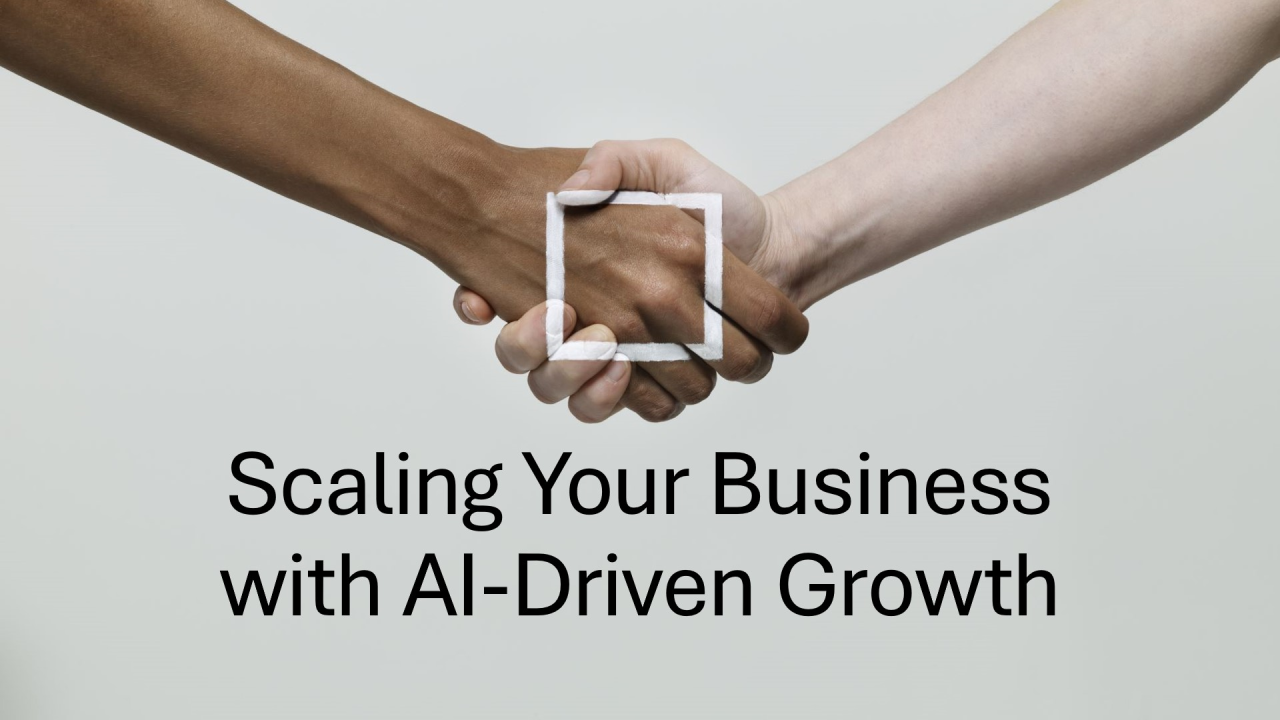
The fastest-scaling advertising organizations are those that pair human insight with machine intelligence – allowing AI to handle complexity while teams focus on vision, governance, and growth strategy.
The Bigger Picture
AI-powered advertising is scaling faster than ever because it aligns perfectly with the realities of modern marketing: more data, more channels, higher expectations, and less room for inefficiency. By combining automation, intelligence, and identity-driven insights, AI enables advertisers to grow without losing precision or control.
With Cubera’s AI-led AdTech ecosystem, brands can scale confidently – leveraging real-time intelligence, privacy-first data strategies, and omnichannel execution to stay ahead in an increasingly competitive landscape.