What Is an Identity Graph – And Does It Still Work Without Cookies?
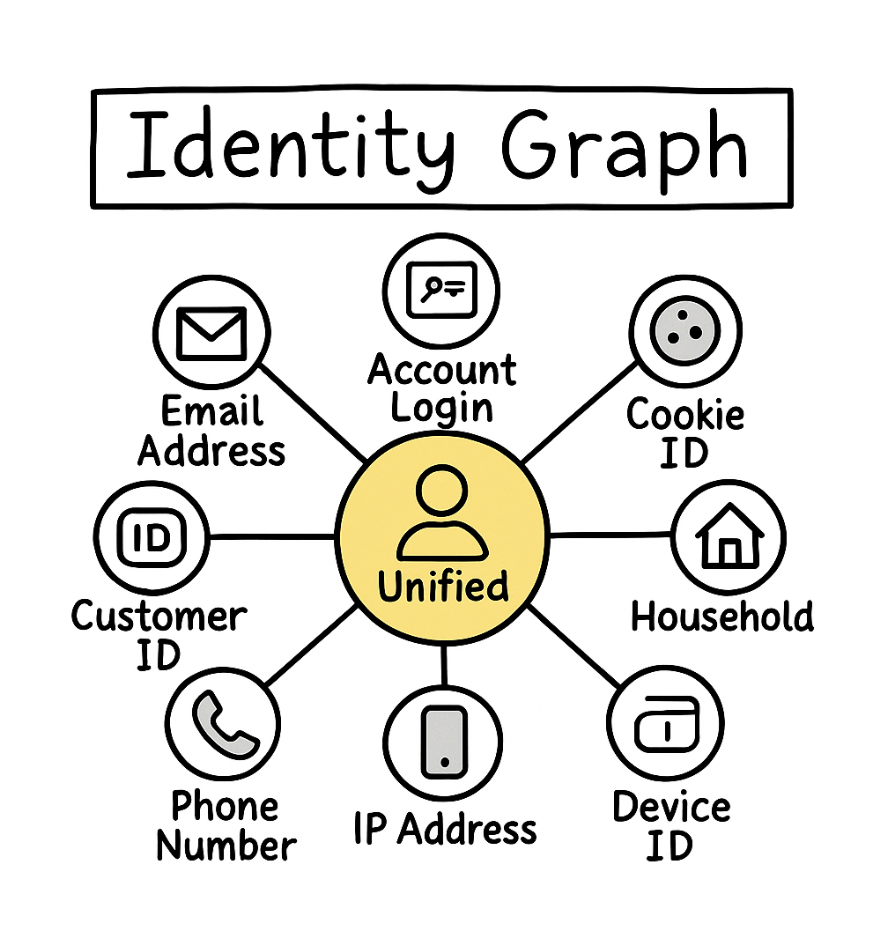
As the digital advertising ecosystem moves away from third-party cookies, one concept has gained renewed attention: the identity graph. Once closely associated with cross-site tracking and third-party identifiers, identity graphs are now being redefined to support privacy-first, consent-driven marketing. This has led many advertisers to ask a critical question – does an identity graph still work without cookies?
The short answer is yes. But how it works, and why it matters, has fundamentally changed.
Understanding the Identity Graph
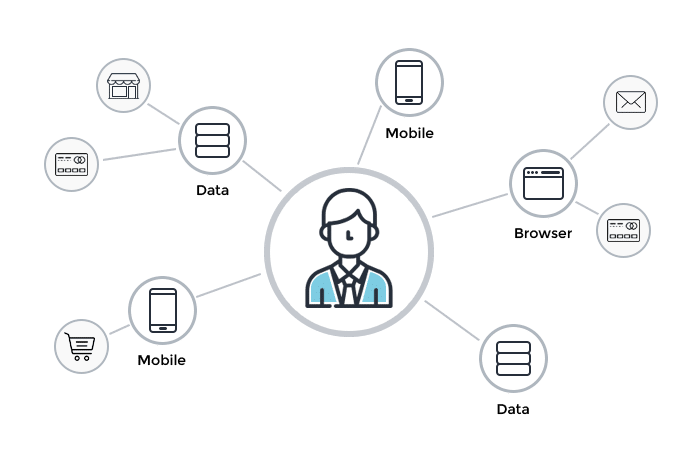
An identity graph is a structured framework that connects multiple user identifiers – such as devices, channels, and interactions – into a unified view of an individual or household. Its purpose is to help advertisers understand how users engage across touchpoints, enabling consistent targeting, measurement, and personalization.
Traditionally, identity graphs relied heavily on third-party cookies and probabilistic signals to stitch together these interactions. While effective at scale, this approach often lacked transparency and struggled under growing privacy regulations.
Why Cookies Are No Longer the Foundation
The gradual deprecation of third-party cookies, combined with stricter privacy laws, has forced advertisers to rethink identity resolution. Cookie-based graphs face limitations not only in compliance, but also in accuracy, persistence, and cross-device reliability.
More importantly, consumer expectations have shifted. Users now expect brands to rely on data they have explicitly shared or consented to – making cookie-dependent identity models increasingly unsustainable.
How Identity Graphs Work Without Cookies
Modern identity graphs are built on first- and zero-party data rather than third-party tracking. These graphs use deterministic signals – such as authenticated interactions, declared preferences, and consented identifiers – to create accurate and privacy-compliant user profiles.
AI and machine learning play a crucial role in this evolution. By analyzing patterns within high-quality, consented data, AI-driven identity graphs can resolve identities across channels while respecting regulatory boundaries. This allows advertisers to maintain continuity without relying on invasive tracking methods.
The Role of Privacy and Consent
Privacy is no longer an add-on to identity resolution – it is central to it. Cookie-less identity graphs are designed with transparency, encryption, and governance at their core. Users retain control over how their data is used, while brands benefit from cleaner, more reliable signals.
This consent-driven approach strengthens trust and improves data quality, resulting in identity frameworks that are not only compliant, but more effective in the long term.
Why Identity Graphs Still Matter
Even without cookies, the need for unified identity has not disappeared. Advertisers still require a way to understand user journeys, measure performance across channels, and deliver consistent experiences.
Identity graphs provide this continuity by connecting data within trusted environments. When integrated with AI-powered activation platforms, they enable precise targeting, smarter cohort creation, and accurate attribution – without compromising privacy.
Identity as an Enabler of Scalable Advertising
In a fragmented media landscape, scalability depends on clarity. Identity graphs offer a structured way to unify signals, reduce duplication, and improve decision-making across campaigns. When powered by first- and zero-party data, they become resilient to regulatory change and platform disruption.
This makes identity graphs a foundational component of future-ready advertising ecosystems.
Final Thoughts
Identity graphs are not becoming obsolete – they are evolving. Freed from their reliance on cookies, modern identity frameworks are more transparent, accurate, and privacy-aligned than ever before.
With Cubera’s AI-driven identity graph and privacy-first data approach, advertisers can continue to deliver personalized, measurable, and scalable campaigns – proving that identity resolution doesn’t need cookies to work, only trust, intelligence, and the right technology.