Is AI Replacing Human Media Buyers? The Truth About Ad Automation

As artificial intelligence becomes increasingly embedded in advertising platforms, a pressing question continues to surface across the industry: is AI replacing human media buyers? Ad automation is at the center of this ongoing industry discussion. With algorithms now managing bids, optimizing creatives, and reallocating budgets in real time, the role of human intervention appears to be shrinking. Yet the reality is more nuanced than a simple replacement narrative.
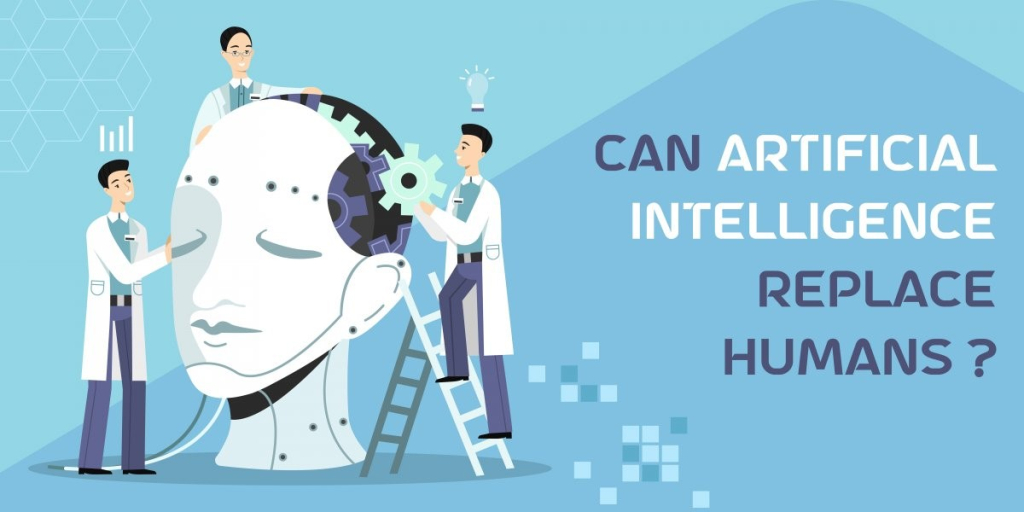
AI is not eliminating the need for media buyers. Instead, it is redefining how value is created within the advertising ecosystem.
Why This Question Is Being Asked Now
The rise of ad automation has been both rapid and visible. Programmatic buying, AI-driven optimization, and autonomous campaign management tools have significantly reduced manual workloads. Tasks that once required constant monitoring – such as bid adjustments, audience targeting, and performance tracking – are now handled by machines with far greater speed and scale.
At the same time, increasing media fragmentation and growing data complexity have made traditional, manual approaches less effective. AI has stepped in to manage this complexity, leading many to assume that human roles are becoming redundant. However, automation’s growth reflects a shift in responsibility, not a removal of human expertise.
What Ad Automation Actually Does Well
AI excels in areas that demand speed, pattern recognition, and continuous optimization. It can analyze massive volumes of data across channels, identify correlations that are difficult for humans to detect, and respond instantly to performance signals.
Automated systems are particularly effective at real-time bid optimization, dynamic budget allocation, audience segmentation, cross-platform scaling, and continuous performance learning. These capabilities allow campaigns to run more efficiently, reducing waste and improving ROI. In this context, AI enhances execution rather than replaces strategic thinking.
Where Human Media Buyers Remain Essential
Despite its strengths, AI operates within the boundaries of defined objectives, data quality, and governance frameworks. It does not inherently understand brand values, long-term business goals, or nuanced market dynamics. This is where human media buyers continue to play a critical role.
Human expertise is essential for defining campaign objectives, interpreting insights in a broader business context, ensuring ethical and privacy-compliant data usage, making judgment calls in ambiguous situations, and aligning media strategy with brand positioning.
Rather than managing every adjustment manually, media buyers now oversee systems, validate outcomes, and guide campaigns strategically.
The Evolving Role of the Media Buyer
The role of the media buyer is shifting from execution-focused to strategy-led. As automation absorbs operational complexity, professionals are increasingly responsible for designing frameworks that guide AI systems toward meaningful outcomes.
This evolution demands new skill sets, including data literacy, analytical reasoning, and a strong understanding of AI-driven platforms. Media buyers are becoming strategic architects – shaping how technology is deployed rather than competing with it.
Automation and Accountability
One of the primary concerns surrounding AI-driven advertising is accountability. Automated systems may optimize aggressively for short-term metrics if left unchecked, potentially overlooking long-term brand equity or audience trust.
Human oversight ensures that optimization remains aligned with sustainable growth, transparency, and regulatory compliance. In this balance, AI and humans function most effectively as collaborators rather than competitors.
To Sum It Up
AI is not replacing human media buyers – it is refining the role. Automation removes repetitive tasks, accelerates execution, and improves efficiency, allowing professionals to focus on strategy, judgment, and long-term impact.
The most effective advertising ecosystems will be those that combine machine intelligence with human governance. With Cubera’s AI-led AdTech ecosystem, advertisers can scale confidently – leveraging automation while retaining clarity, control, and accountability.